



Buying work by an emerging artist can be one of the most rewarding ways to build an art collection.
There is the possibility of discovering a distinctive voice early, of following an artist’s development over time, and of owning a work that feels genuinely personal rather than simply established by the market. But for a new collector, the question can also be difficult: how do you know whether an emerging artist is worth collecting?
There is no formula that guarantees future value. Art should never be approached purely as an investment. But there are several factors that can help collectors understand whether an artist is developing a serious, coherent and sustainable practice.
A recognisable artistic language
One of the first things to look for is consistency.
This does not mean that every work should look the same. Strong artists evolve, experiment and sometimes change direction dramatically. What matters is whether there is a recognisable way of thinking behind the work.
A collector should be able to look across an artist’s practice and begin to identify recurring concerns, materials, visual choices or questions.
The work of Palermo-based painter and printmaker Simone Geraci, for example, moves across painting, drawing and printmaking, but retains a clear attention to mark, surface and the human figure. His background in graphic art remains visible in the precision and restraint of his visual language, even as his practice develops across different media.
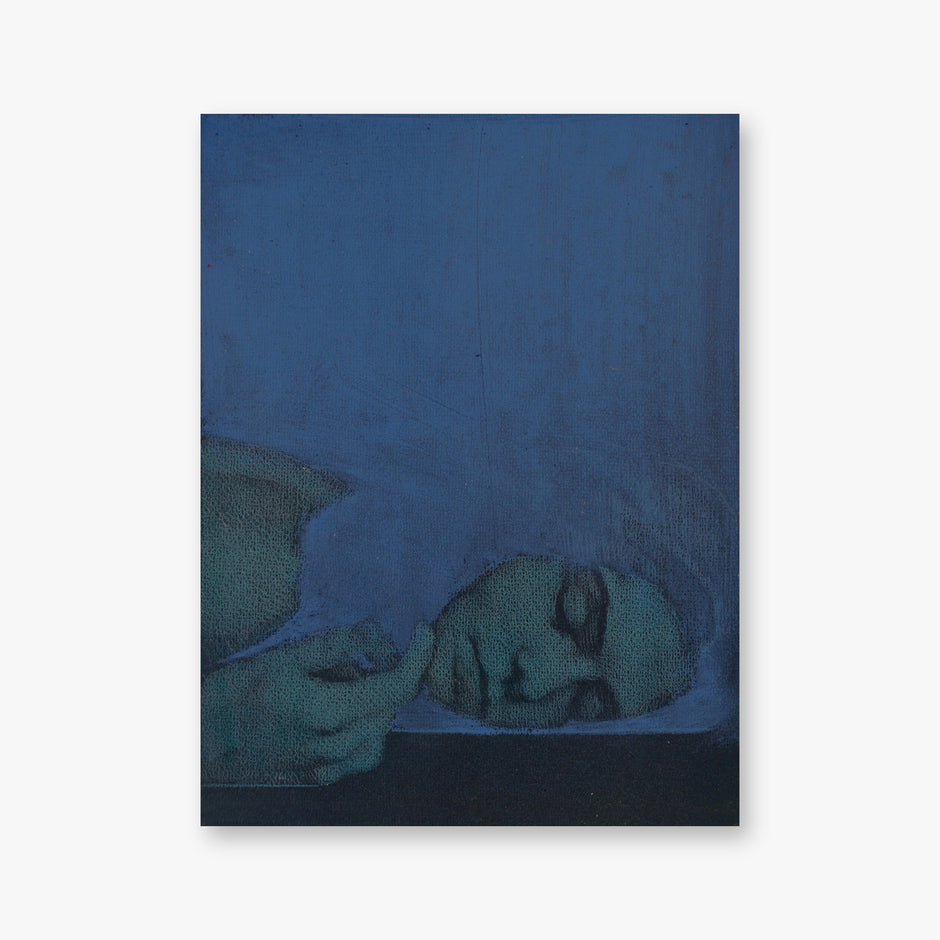
That kind of coherence is often more meaningful than a single striking artwork.
A practice that develops over time
An emerging artist worth following is usually not producing isolated images. There is a sense of progression.
New bodies of work respond to previous ones. Ideas become more complex. Technical choices become more deliberate. The artist appears to be building a practice rather than simply creating individual objects.
This is particularly important for collectors because collecting an emerging artist can become a long-term relationship. You may first encounter an early work and then watch that visual language expand over several years.
Marilina Marchica is a good example of this kind of sustained investigation. Her work consistently explores architecture, memory, abandoned structures and the traces left by time, using approaches including collage, casting and décollage. Individual works may vary significantly, but they remain connected by a continuing investigation into place, material and disappearance.
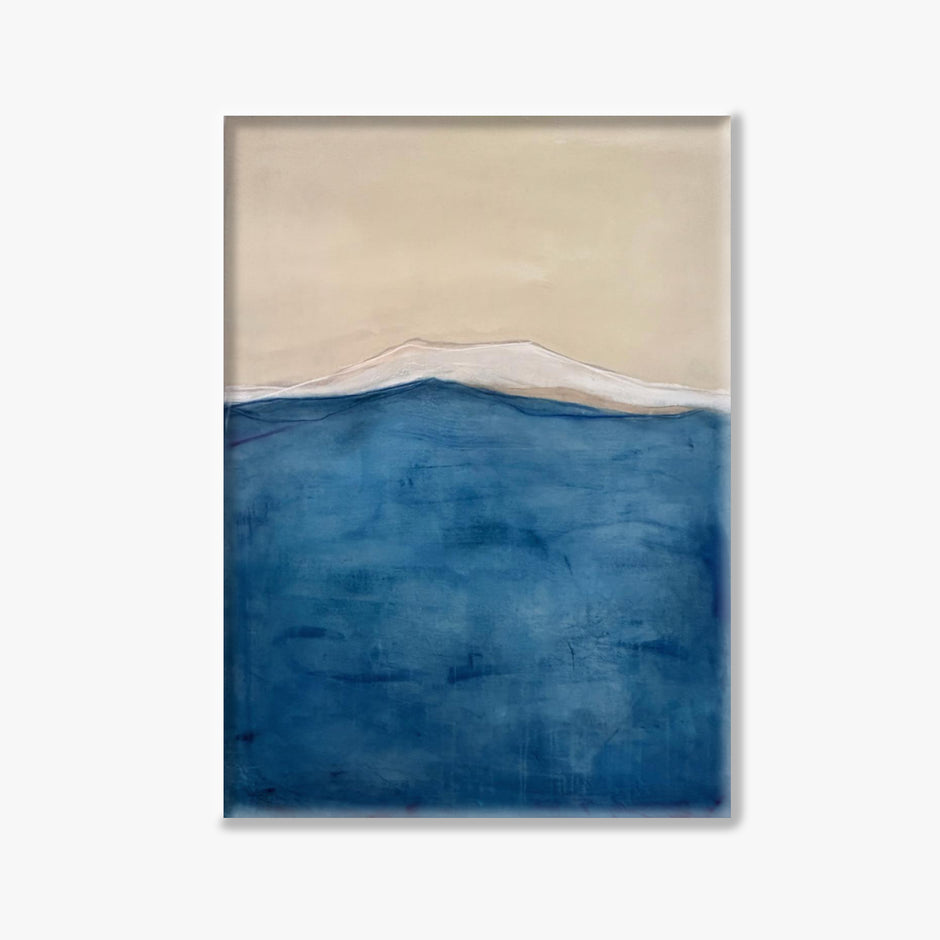
Technical confidence matters, but ideas matter too
Craftsmanship is important, but technical ability alone does not necessarily make an artist interesting to collect.
A beautifully executed painting can still feel derivative. Conversely, work that appears visually simple may be the result of a very precise conceptual process.
The strongest emerging artists tend to combine technique with a distinct perspective.
Consider the photography of Carla Sutera Sardo. Her images are immediately recognisable for their dreamlike treatment of the female figure, nature and Mediterranean light. But beyond their visual appeal, the work repeatedly explores feminine identity, landscape and the relationship between body and environment.
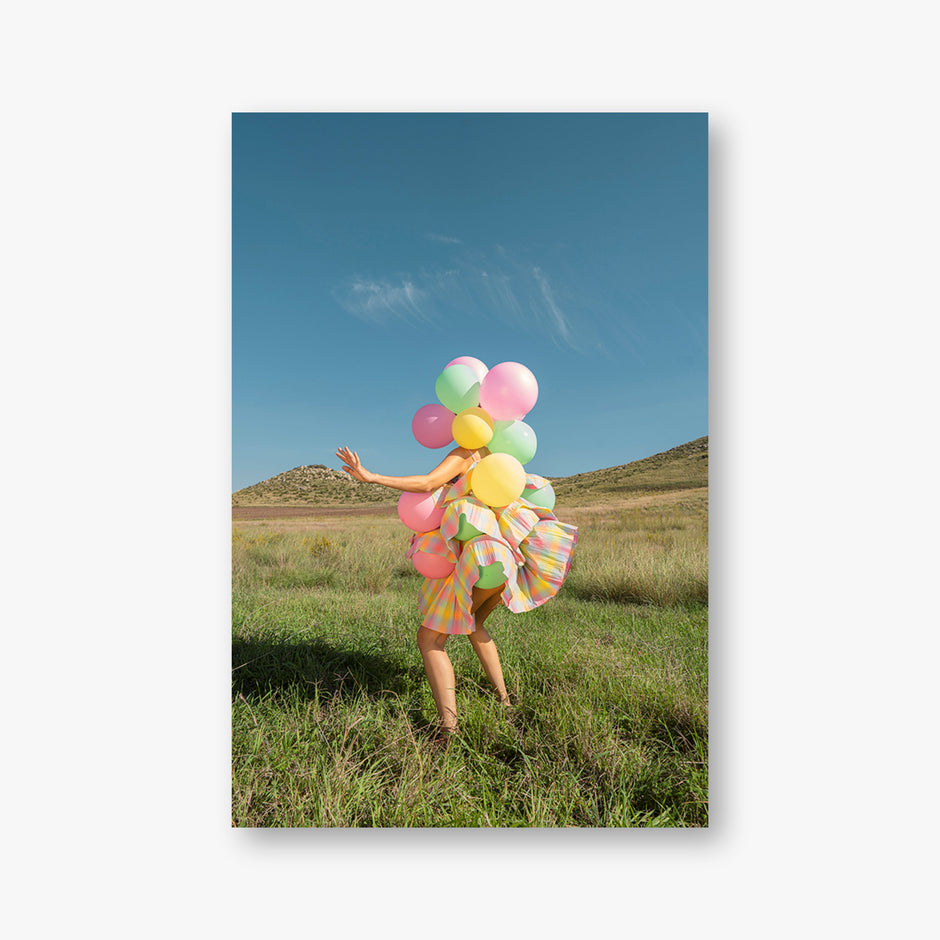
For a collector, this distinction matters. You are not simply buying an image. You are entering into the artist’s way of seeing.
The value of an original painting: Samantha Torrisi
For collectors drawn to painting, an original oil on canvas offers something that a reproduction cannot: the physical presence of the artist’s decisions, from individual brushstrokes to the way layers of colour hold the light.
Samantha Torrisi offers a compelling example. Her atmospheric landscapes draw on the slopes of Mount Etna and its quiet forests, turning familiar places into spaces suspended between observation and memory. In an oil painting such as Where No One Knows, softened edges and cool blues and greens create a woodland scene that feels both recognisable and elusive.
Her current exhibition at Nomad Art Collective, The Poetry of Stillness, gives collectors an opportunity to explore this language across a body of work. Acquiring an original painting by a rising artist such as Torrisi means owning a unique expression of that practice and supporting its continued development. Its value begins with the painting itself: its material qualities, its distinctive perspective and the relationship you build with it over time.
Evidence of professional commitment
An emerging artist does not need an enormous exhibition history or international auction results.
In fact, if all those things are already firmly established, the artist may no longer meaningfully be “emerging”.
But there should usually be signs of professional commitment.
These might include:
- exhibitions with galleries or cultural institutions;
- participation in curated projects;
- work held in private or public collections;
- formal or informal artistic training;
- consistent production over several years;
- relationships with galleries that support the artist’s development.
For example, Francesco Costantino, who lives and works in Palermo, has exhibited in Italy and abroad and has collaborated in an international context connected with Manifesta 12. His practice combines memory, perception and material experimentation, while remaining grounded in a sustained painting practice.
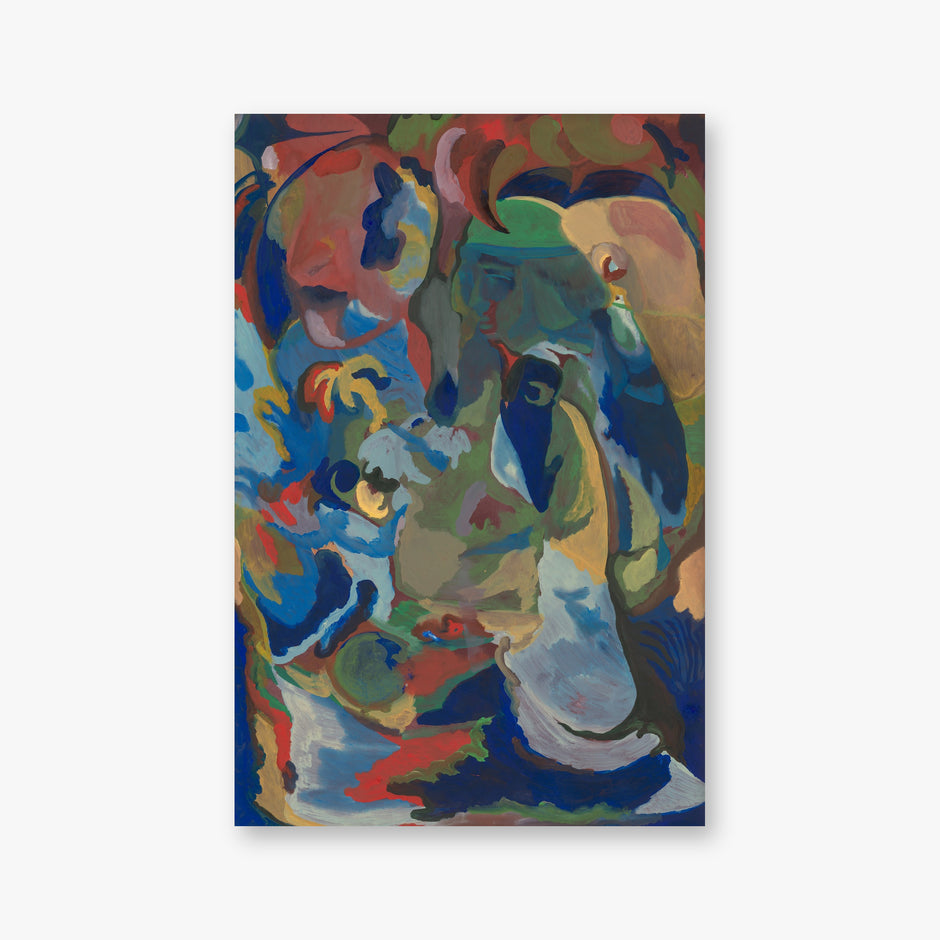
These kinds of signals do not guarantee commercial success, but they show that the artist is participating seriously in the contemporary art ecosystem.
Representation by the right gallery
Gallery representation can also be useful, although the name of the gallery should never replace your own judgement.
A good gallery does more than sell artwork. It selects artists carefully, builds exhibitions, provides context, maintains documentation and helps connect the artist’s work with collectors, institutions and other audiences.
For emerging artists, this support can be particularly important.
At Nomad Art Collective, for example, the focus is deliberately narrow: the gallery represents contemporary Sicilian artists working across painting, photography, sculpture and mixed media, and develops exhibitions around themes including landscape, cultural memory, architecture and the human experience.
For a collector, this kind of curatorial focus provides useful context. It explains not only who an artist is, but why their work sits within a broader conversation.
Price should make sense within the artist’s career
Price is another useful signal, but not in the way people sometimes assume.
A higher price does not automatically indicate greater artistic importance, and a lower price does not mean the work lacks value.
Instead, collectors should look for pricing that feels coherent.
Works of similar scale and importance should generally sit within a consistent range. Prices should develop gradually as the artist’s exhibition history, demand and professional profile grow.
This is one of the advantages of buying through a gallery rather than an unstructured secondary marketplace. A responsible gallery usually works with the artist to maintain consistent pricing and avoid sudden, speculative increases.
For new collectors, emerging artists can therefore offer an interesting opportunity: the work may still be accessible while the artist’s practice is already mature enough to be taken seriously.
The experience of Demetrio Di Grado offers a concrete example. As Nomad Art Collective recalls, he began selling his collages for a few hundred euros; prices for his work have since more than tripled. His analogue collages transform original cut-outs from vintage magazines into compositions that bring memory and contemporary life into conversation.
This is an example of how an artist’s pricing can develop, not a promise of future appreciation or a measure of what any individual collector could achieve on resale. The work itself should remain the starting point.
Do you want to keep looking at the work?
After all the professional indicators, this may still be the most important question.
Would you want to live with the work?
Does it continue to reveal something after the first impression?
Do you find yourself returning to it?
Collecting art is different from buying most other objects. A work may remain in your home for decades. Its financial value may rise, fall or remain unchanged, but your relationship with it continues.
For that reason, the strongest collections usually combine informed judgement with personal response.
Collecting an artist, not predicting a market
It is tempting to approach emerging artists by asking which one will become successful.
That is probably the wrong question.
A better question is whether the artist has developed a distinctive practice, whether that practice continues to evolve, whether there is serious professional commitment behind it and whether the work means something to you.
Artists such as Simone Geraci, Marilina Marchica and Carla Sutera Sardo demonstrate how different an emerging or developing contemporary practice can look. One may work through the figure and surface, another through architecture and memory, another through photography, nature and identity. What connects them is not a single aesthetic, but the presence of a sustained artistic language.
For collectors, discovering that language early can be part of the pleasure.
And ultimately, that is one of the most compelling reasons to collect emerging artists: not because you know exactly where their careers will lead, but because you have the opportunity to follow the journey.


